
When to think about nursery and when to hold back
“Trauma is an emotional response to a stressful experience (such as child abuse, neglect, institutionalisation, and multiple placements) that threatens or causes harm. Depending on individual temperament, resilience, and the nature of the trauma experience, trauma can overwhelm a child’s natural ability to cope and interfere with physical, cognitive, emotional, and social health and development. Some of the signs of trauma in preschool aged children include irritability (fussiness), tantrums, startling easily or being difficult to calm, repeating traumatic events in play or conversation, and delays in reaching a variety of milestones”.
(Children's Bureau (2020)

Some children can ‘keep the lid’ on their trauma response whilst they are in their educational setting and away from their secure base. However, experience tells us that when children return home, the toils and stresses of the day (which have been hidden from the setting) show themselves in big behaviours that may be difficult for both the parents and settings to understand, as the presentation of the child can be so different in each environment.
Any child who has experienced trauma and loss will have delay in knowing how to build relationships and communicate their feelings. Children who have been removed from their birth parents (no matter how young they were when this happened) will feel an unresolved sense of grief which can affect their development. Accepting your child’s sadness is a normal part of a child coming to terms with their loss – it is important that this process is not rushed. Children will need support and your honesty around this to express their feelings and understand their emotions. If this is hurried it could manifest itself in tricky behaviours later on – such as lashing out, frustration and withdrawal.
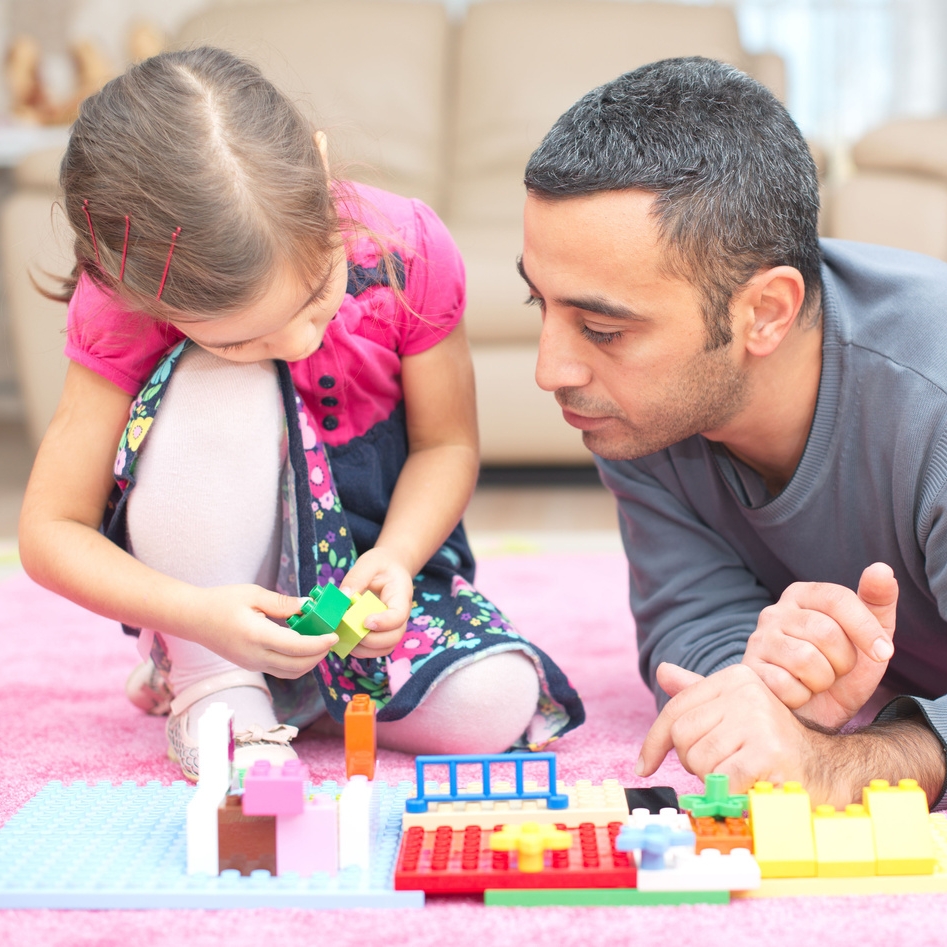
Opportunities to offer lots of physical contact, playing together, having your undivided attention and being able to connect with your child will promote and support the building of a secure attachment with you.
Internalising feelings
Sometimes, a child may keep their feelings locked away inside as fear of more rejection means they need to conform at any cost. This can be more concerning if a child is not able to communicate their emotions as everyone involved with the child will believe that they are managing and everything is fine, when in reality this is not the case.
Working at your child's pace
Take this time to build your relationship, as a child’s emotional, personal and (shared) social development underpins any learning in the future. Parents of older children often reflect that this time at home went too quickly and it can never be ‘got back’.
Dependence is a positive thing
A child needs to learn how to be totally dependent on you before they can start to build their independence. This cannot be rushed and can be difficult as so many children, who have not had their needs met, have had to become independent. Very often a child’s independence can me mis-read and seen as them ‘needing something else’ when they really need to be able to surrender their independence.
Parents are often delighted that their child ‘will go to anyone’, however for an adopted child it is key that they are given the message that their parent should be the person that meets their needs.

Don’t overestimate confidence
When thinking about accessing (shared) social events such as stay and play, seek out opportunities where you can be close to your child and share activities and experiences. Where your child can be with others but also has you in their sight and know that you are available. In any new situation a child should initially want you next to them and slowly build up their confidence to explore the environment around them, constantly returning for reassurance. As a parent seeing your child seek out reassurance from anyone can be very hard and can sometimes be misinterpreted as the child having lots of confidence and be ready to go into nursery, when in fact this is not the case.
Transitions – the impact when children aren’t ready
Transitions, and even the smallest change can have a huge impact on a child who has experienced trauma and loss. Even if a child has been to nursery when living with their foster carer, it will feel different. They will not be leaving from the same household, saying goodbye to the same people, going into the same building or seeing the same staff or friends. Everything will be different, and their losses will be more apparent.
A traumatised child has learnt not to trust adults. When children start nursery, they have to put their trust in the adults there to meet their most personal needs. The opportunity to create a secure base with you will be diluted, as they attempt to make sense of various caregivers. Children may become indiscriminate with their attachment and not have one secure base where they can feel safe enough to make sense of their previous experiences.
You will remember all of the planning that happened when your child came home to you how lots of things were considered and why things happened the way they did. The same about nursery– it is not something to be rushed.
References
Neil, E., Beek, M, & Schofield, G. (2020) The UEA Moving to Adoption model: a guide for adoption social workers, fostering social workers and children’s social workers. Norwich: UEA, Centre for Research on Children and Families.
Beek, M, & Schofield, G. (2014) The Secure Base Model: Promoting attachment and resilience in foster care and adoption. Norwich: UEA, Centre for Research on Children and Families.
Child Welfare Information Gateway. (2021). Parenting your adopted preschooler. U.S. Department of Health and Human Services, Administration for Children and Families, Children's Bureau.
Jones, J. (2008). Safe enough to learn. Teach Early Years 'Responding to traumatised children'.
Adoption UK (2018) Bridging the gap
(Sherrie.Eldridge (2019). Why Adoptees and Foster Kids Must Guard Their Hearts. [blog] Sherrie Eldridge Adoption.
Adoption UK (2021), Dan Hughes, DDP Principles and Practice webinar
This guide can be downloaded here: